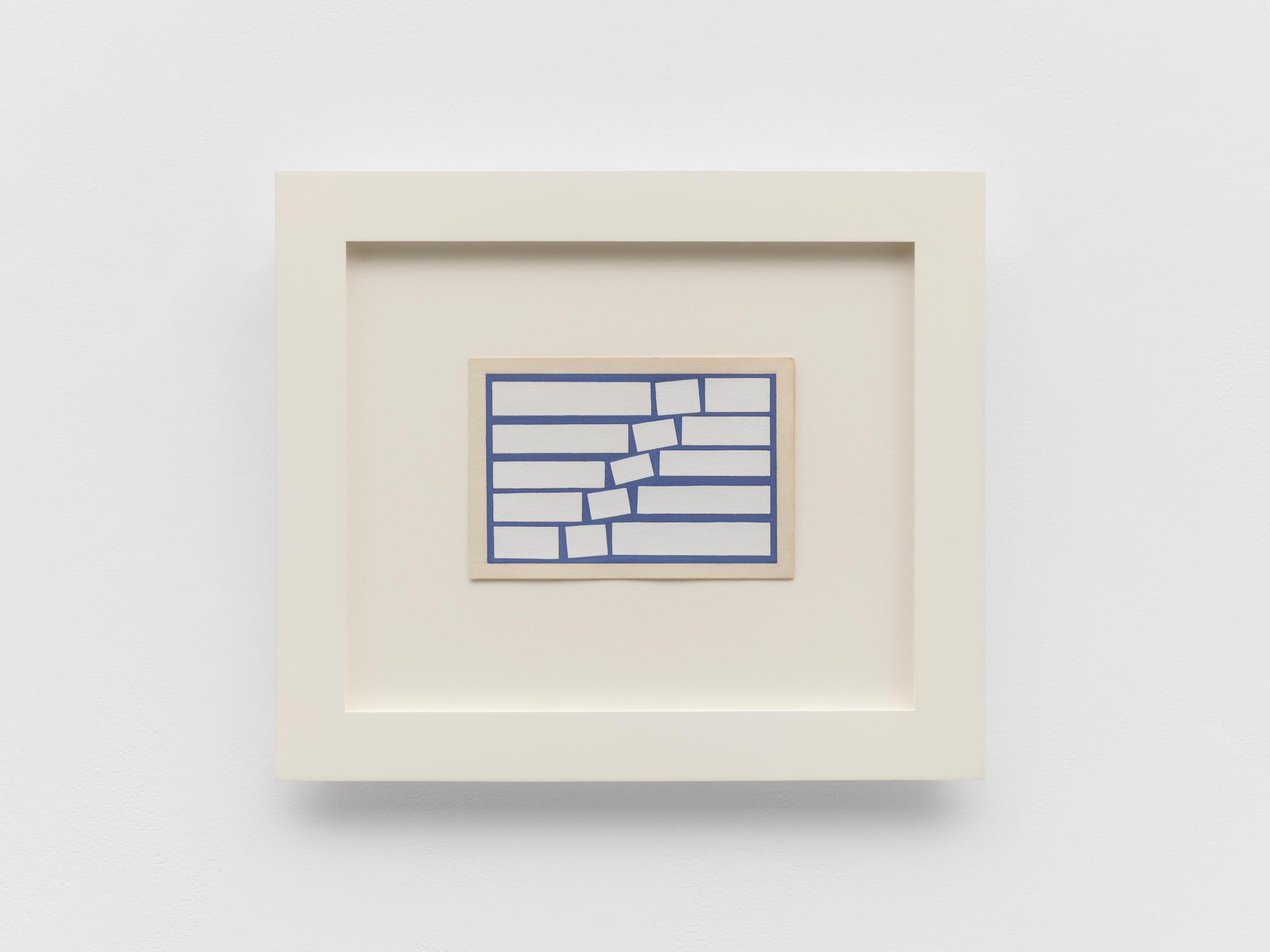
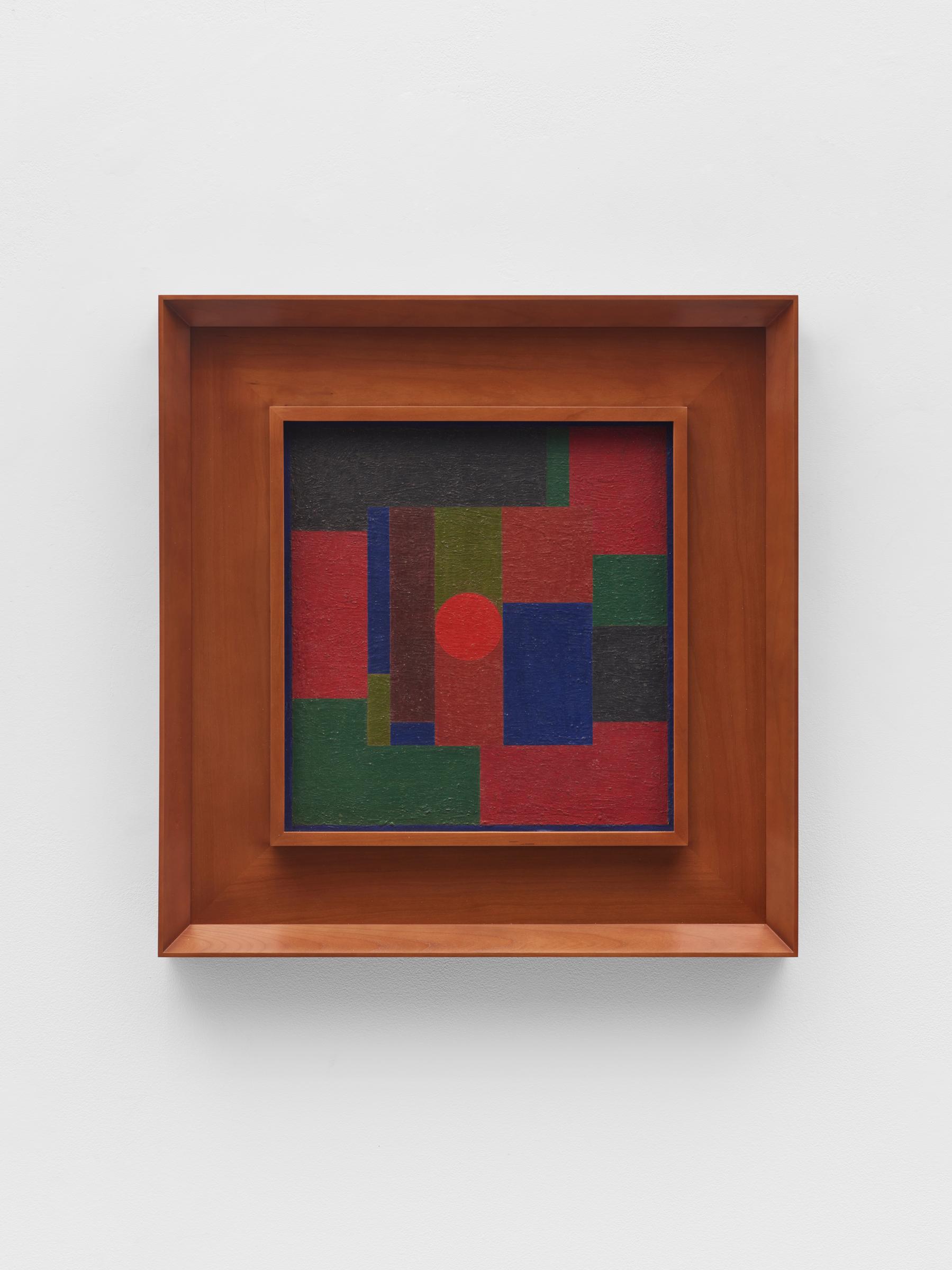
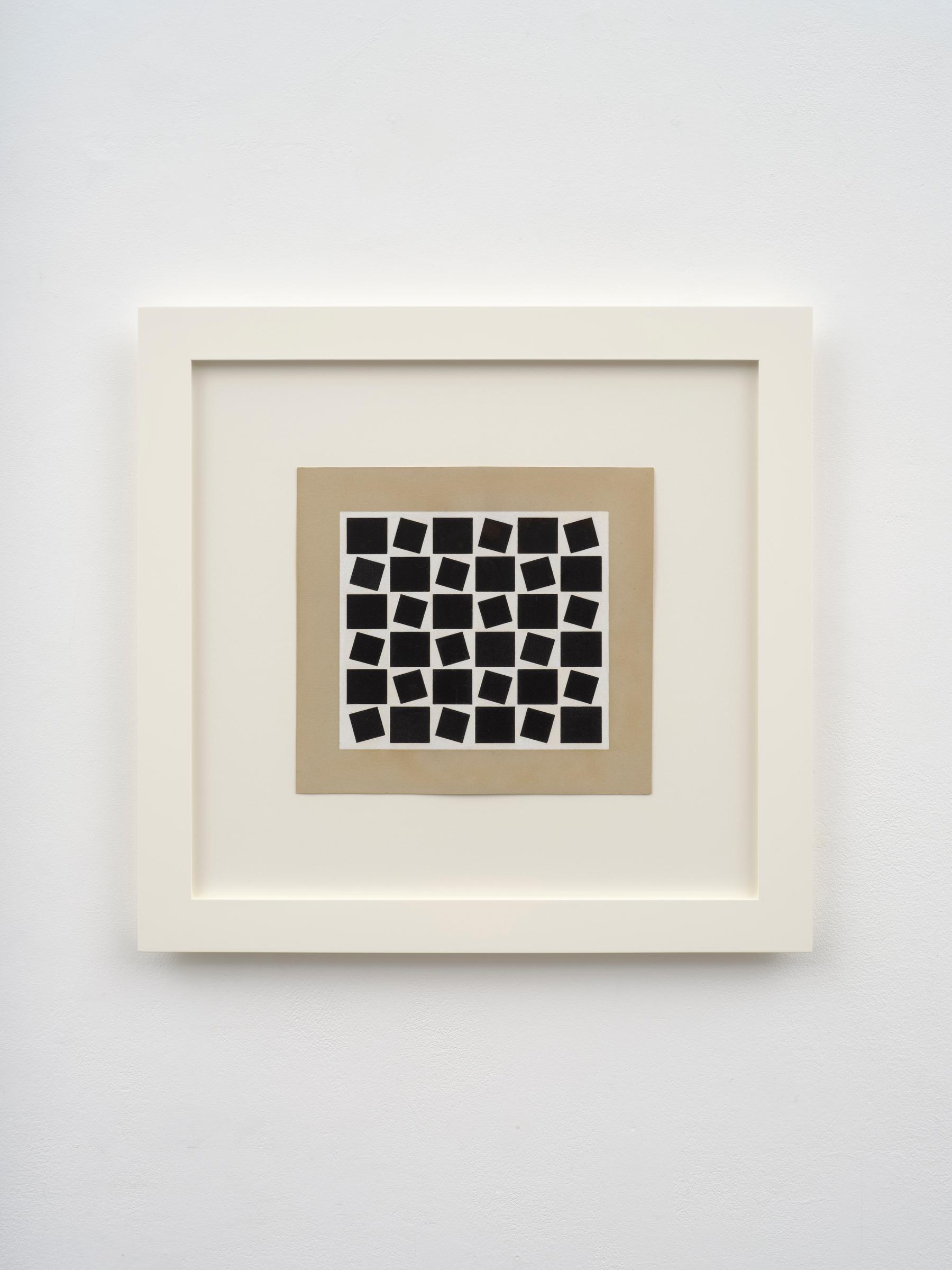
Hélio Oiticica (1937 – 1980) is widely regarded as one of Brazil’s leading
artists of the twentieth century and a touchstone for much contemporary
art made since the 1960s, primarily through his freewheeling,
participatory works of art, performative environments, avant-garde
films and abstract paintings. Even before the age of 20, Oiticica was a
key member of the historic Rio de Janeiro-based Grupo Frente (1954-56),
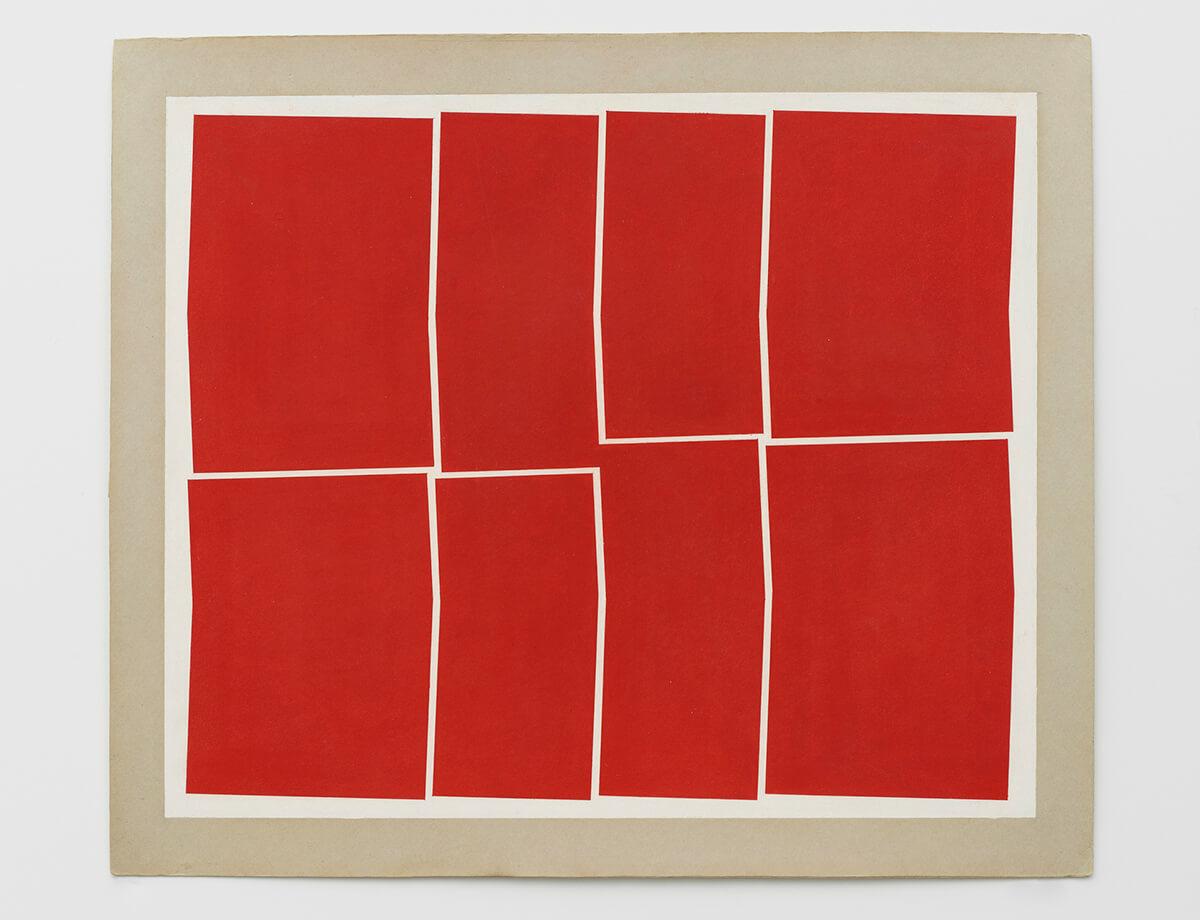
his radical play with geometric form and vibrant colors transcending the
minimal lines of European constructivism and imbuing his work with an
exuberant rhythm that resonated with the avant-garde music and poetry
of his native Brazil. In the late 1950s, Oiticica would go on to become a
leading figure of Brazilian Neo-Concretism (1959-61) that included other
ground breaking artists such as Lygia Clark, Lygia Pape and the poet
Ferreira Gullar, ultimately giving rise to the artistic movement known as
Tropicalismo, named for a work of Oiticica’s from 1967.
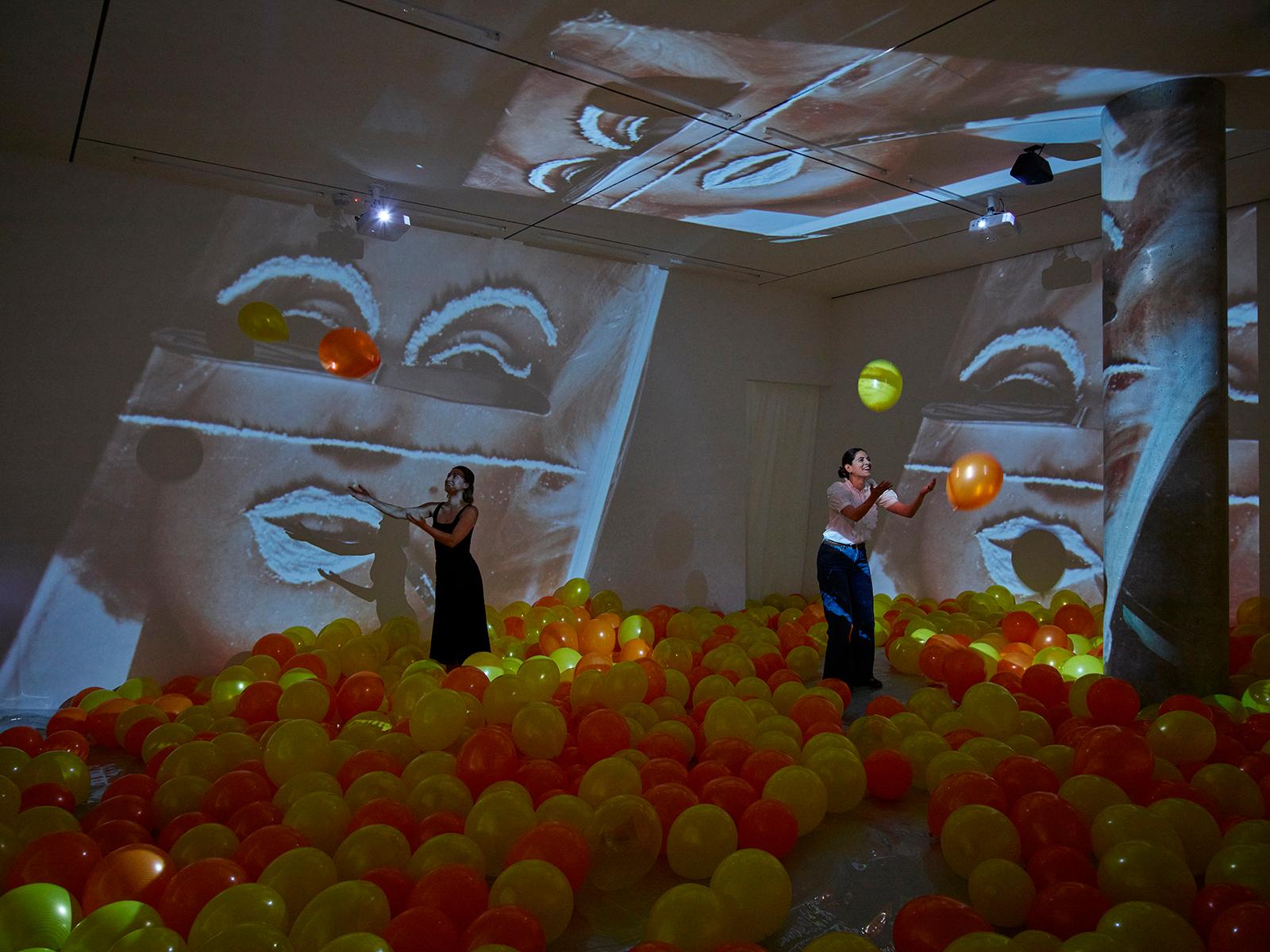
Increasingly, Oiticica became a countercultural figure and underground
hero, foregrounding bodily interaction with spatial and environmental
concerns over pure aesthetics. “Ambient art,” he wrote, “is the overthrow
of the traditional concept of paintingframe and sculpture – that belongs
to the past. It gives way to the creation of ‘ambiences’: from there
arises what I call ‘antiart,’” which he later defined as “the era of the
popular participation in the creative field.” This generous and generative
practice would become highly influential for subsequent generations
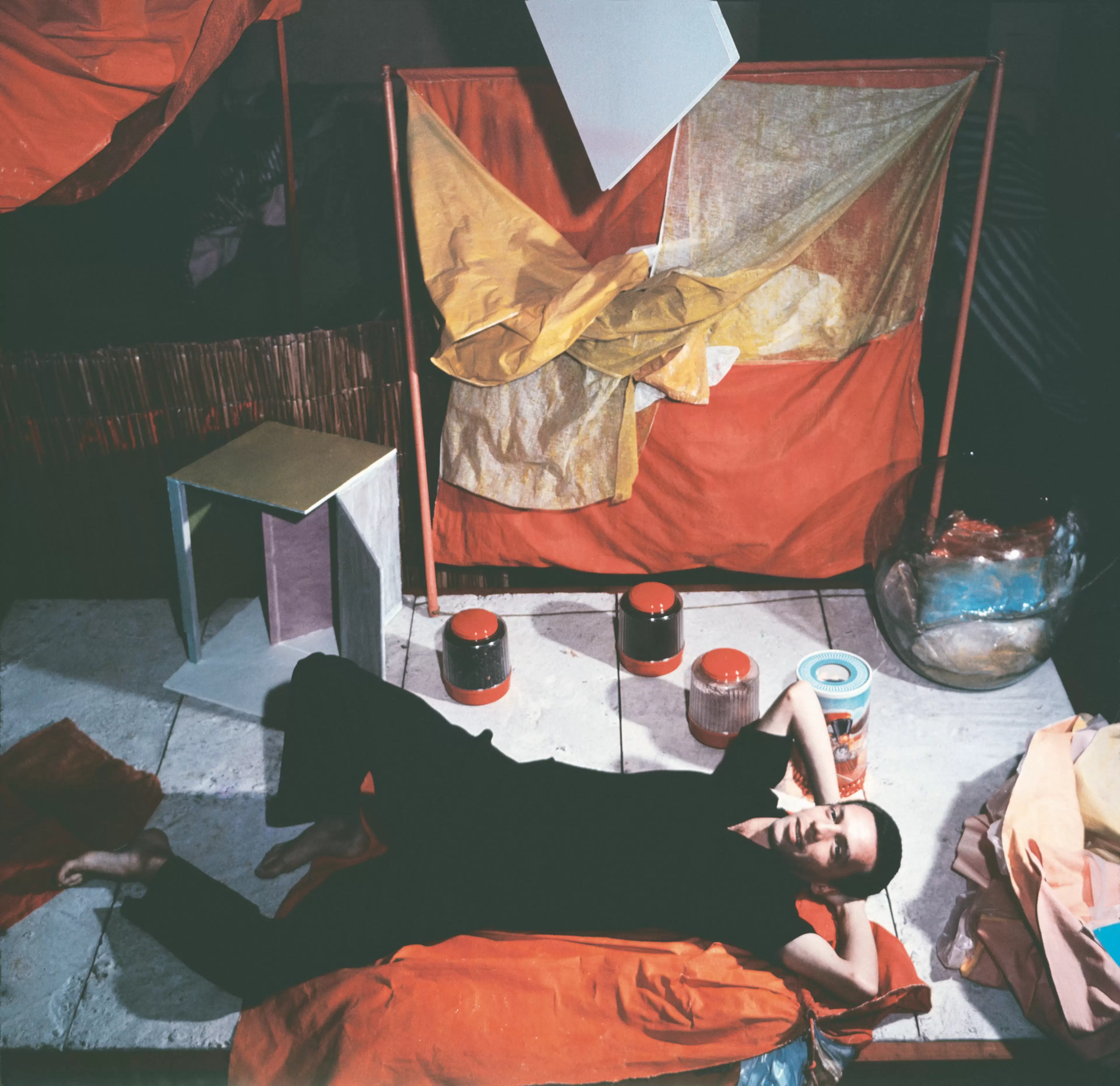
of artists, especially his Parangolés or ‘habitable paintings’ and all-
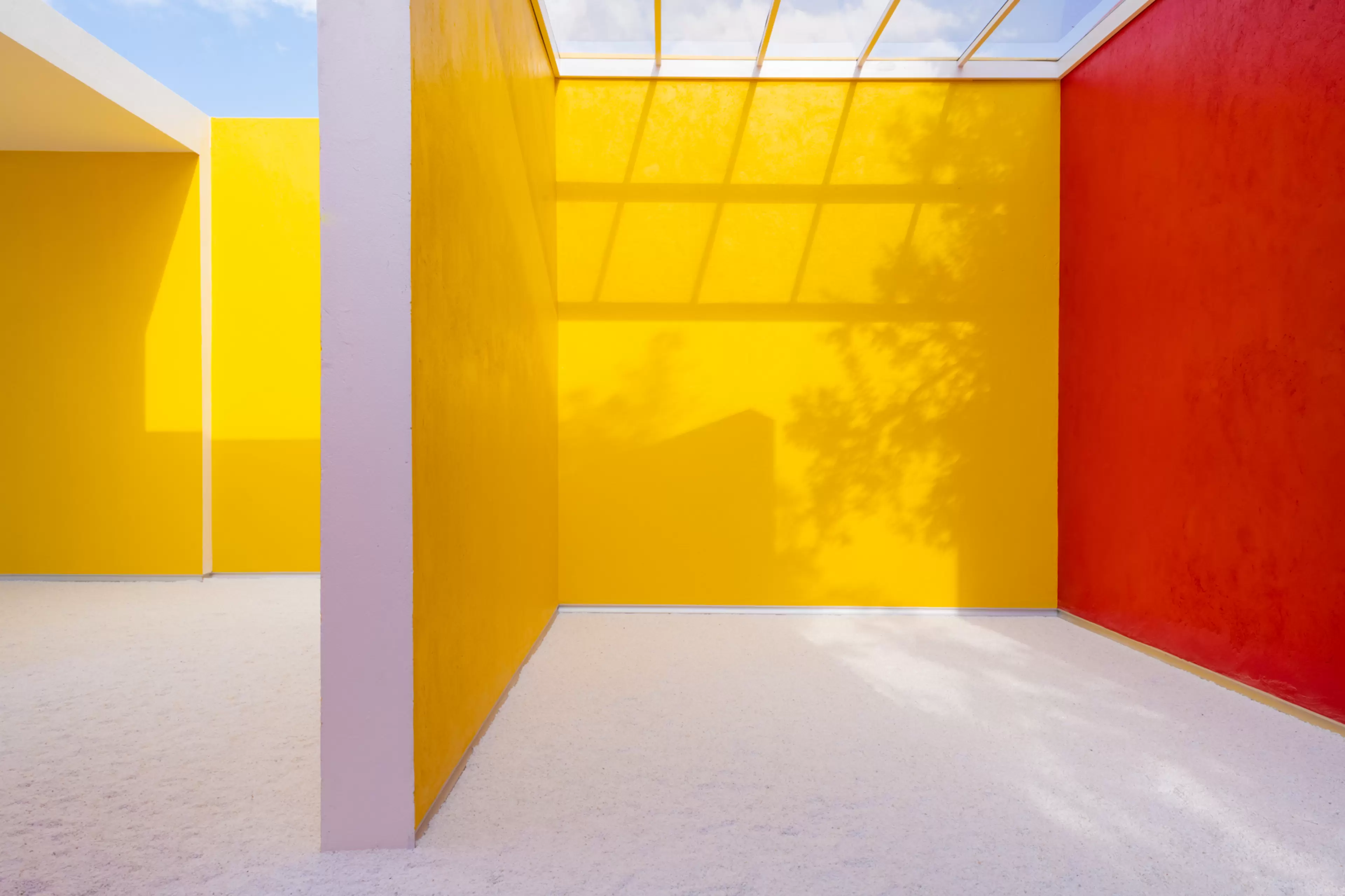
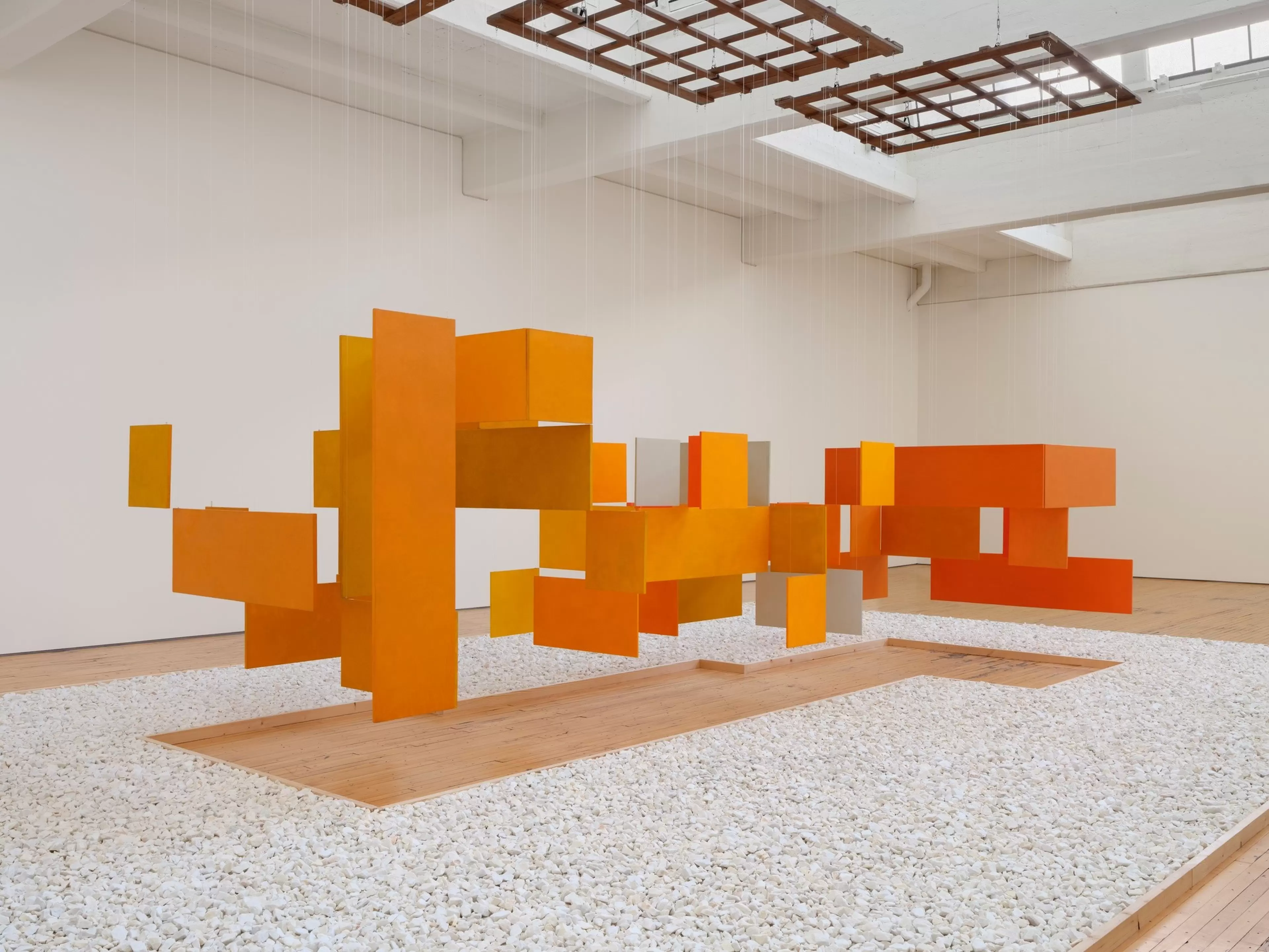
encompassing series of installations, known variously as Núcleos (ceiling-
hung geometric panels forming gradual chromatic experiences) and
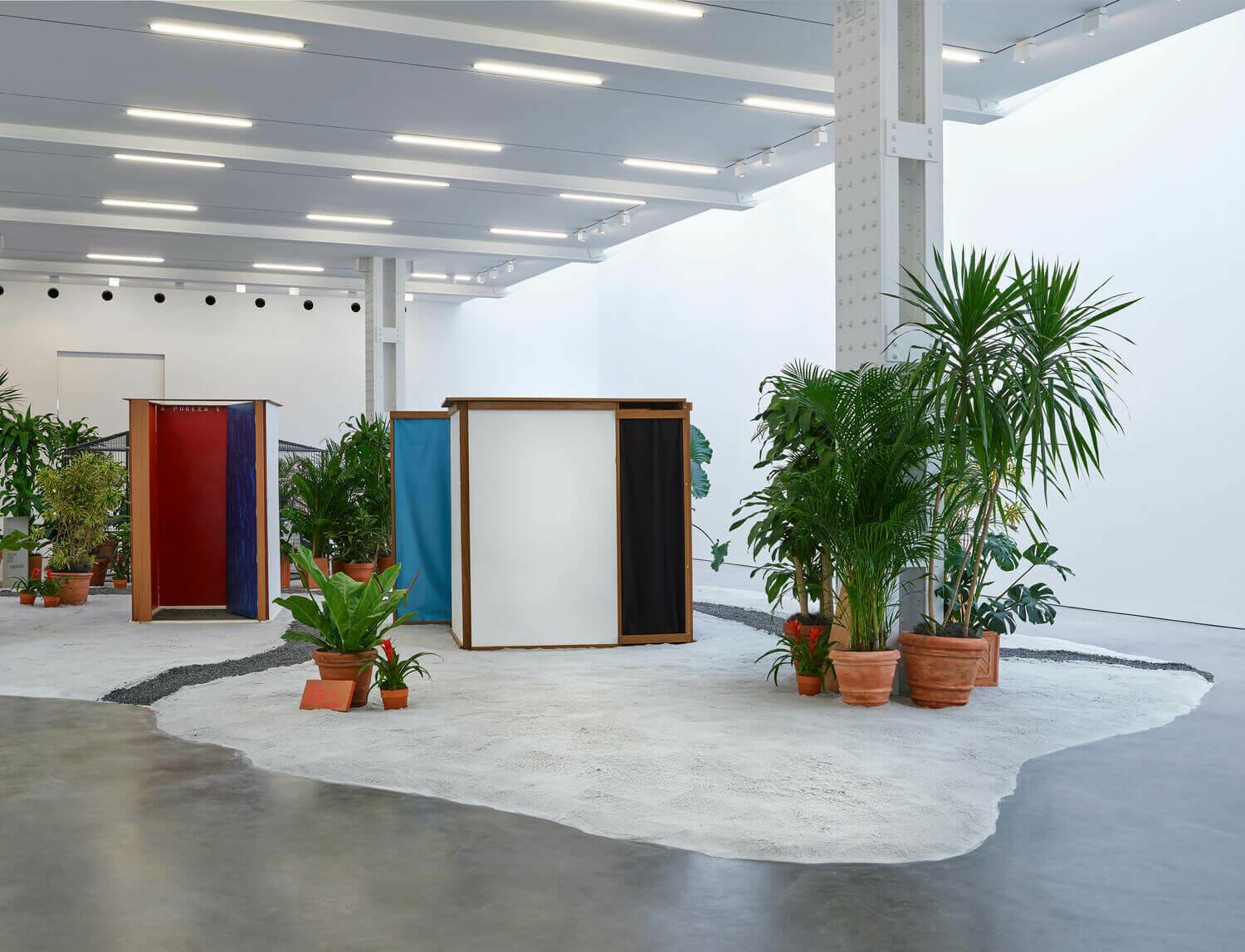
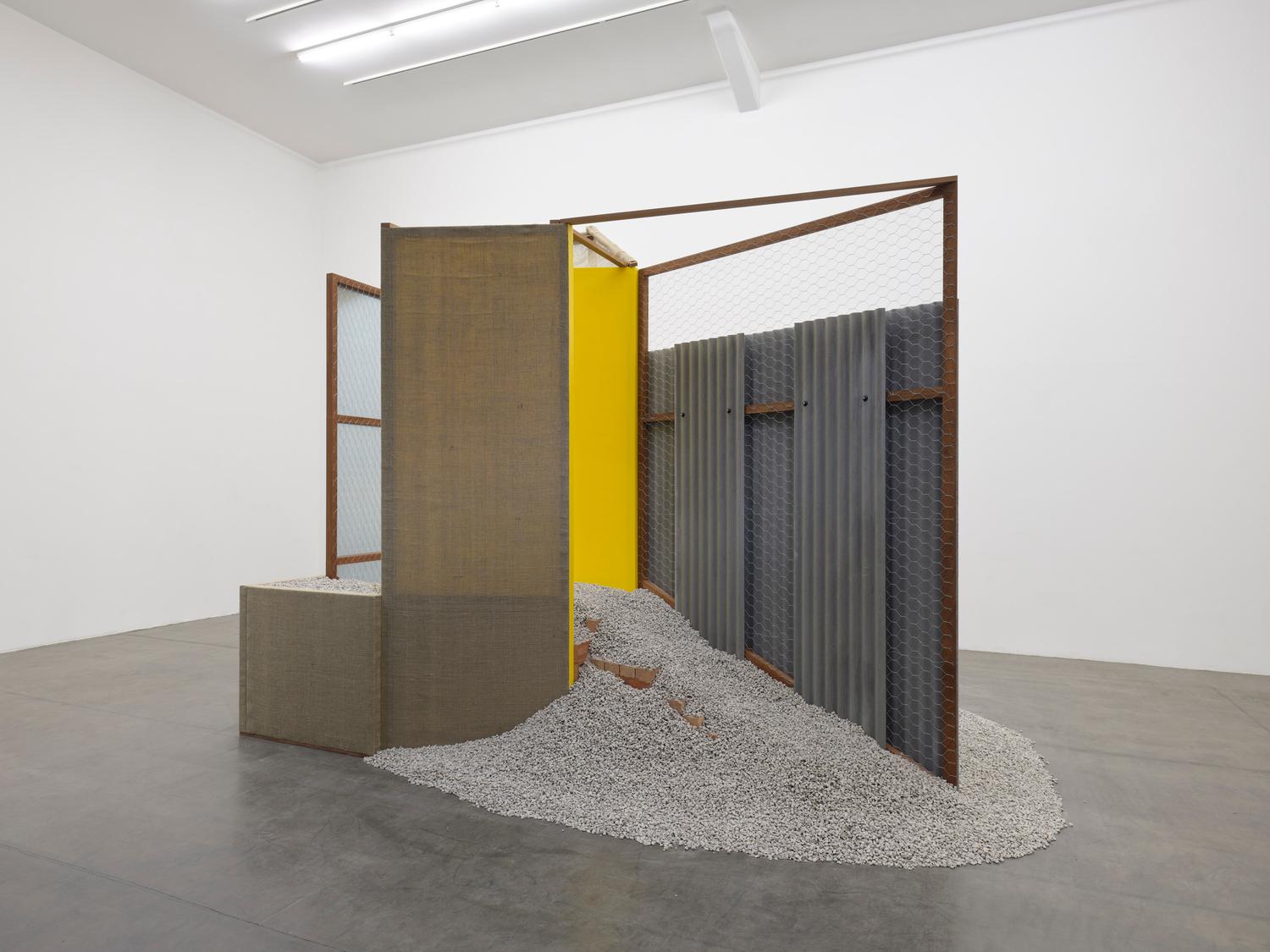
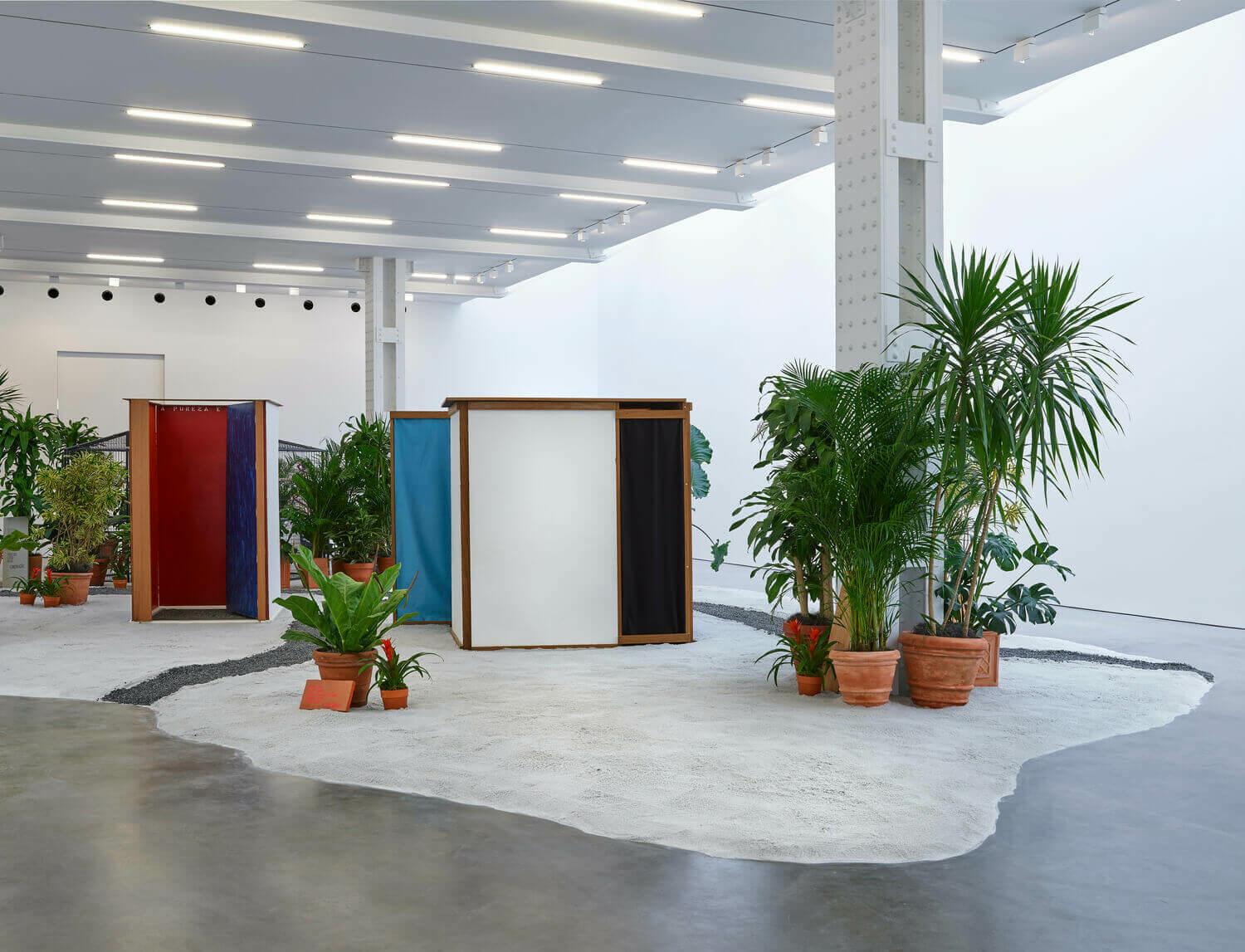
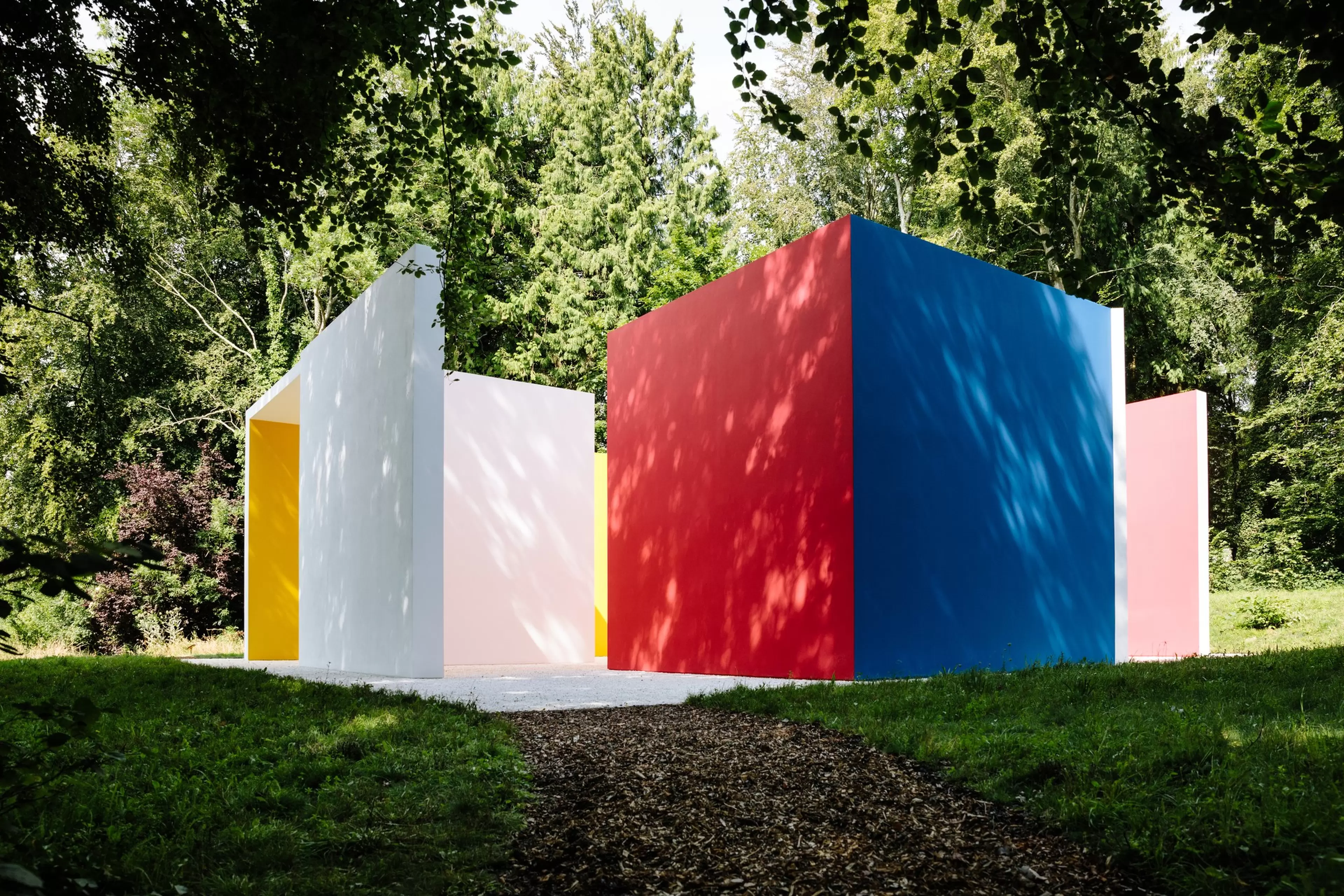
Propositions or Penetrables (labyrinth-like architectural environments
made of sand and semi-permeable cabins). This supra-sensorial approach
continued until his untimely death in 1980 at the age of 42.